
Booking a limo in Dallas should feel exciting, not risky. Yet every year, travelers get stuck with unmarked vans, unlicensed drivers, and canceled reservations because they never asked one simple question: is our limo service licensed and insured?
At Limo Service Dallas, we get this question a lot, and for good reason. A limo company without proper licensing and insurance can leave you legally and financially exposed if something goes wrong on the road. Whether you’re planning a wedding, a corporate event, an airport transfer, or a night out in Deep Ellum, the vehicle you step into matters just as much as the destination.
This guide breaks down exactly what “licensed and insured” really means in the Texas ground transportation industry, why it protects you, and the specific documents and credentials you should check before you hand over your credit card. We’ll also show you how Limo Service Dallas meets and exceeds these standards, so you can book with confidence instead of guesswork.
Why Licensing and Insurance Matter More Than You Think
Most people assume any black car or stretch limo on the road is automatically legitimate. That assumption can be costly.
Unlicensed operators often cut corners on vehicle maintenance, driver background checks, and safety inspections. Uninsured vehicles mean that if an accident happens, you—not the company—could be left covering medical bills or property damage.
According to the Federal Motor Carrier Safety Administration, commercial passenger carriers operating across state lines must hold specific operating authority and minimum insurance coverage. Even within Texas, the Texas Department of Motor Vehicles requires for-hire passenger carriers to register and maintain valid credentials.
The Real-World Risk of Skipping This Check
Imagine booking a party bus for a bachelorette weekend, only to find out mid-ride that the driver’s commercial license expired months ago. Or discovering after a fender-bender that the “limo company” had no liability coverage at all.
These aren’t rare horror stories—local news outlets across the country have reported on unlicensed limo operators shutting down mid-event, leaving passengers stranded. Checking credentials upfront takes five minutes and prevents these situations entirely.
What “Licensed” Actually Means for a Limo Company
Licensing isn’t a single certificate. It’s a combination of federal, state, and local requirements that vary depending on where the company operates and what type of vehicles it runs.
Key Licensing Requirements to Look For
- USDOT Number – Required for any commercial vehicle transporting passengers across state lines or meeting certain weight thresholds.
- Texas For-Hire Permit – Issued by the Texas Department of Motor Vehicles for passenger carriers operating within the state.
- Chauffeur’s License – Drivers must hold the appropriate license class (often a Class C with a passenger endorsement, depending on vehicle size).
- Local City Permits – Cities like Dallas, Fort Worth, and Arlington may require additional local operating permits, especially for airport pickups.
- Vehicle Inspection Certificates – Regular DOT-mandated inspections confirm the vehicle is roadworthy.
How to Verify a License Quickly
- Ask for the company’s USDOT number and look it up on the FMCSA’s public Safety and Fitness Electronic Records (SAFER) system.
- Request a copy of the Texas for-hire permit.
- Confirm the driver’s chauffeur license is current and matches the vehicle class.
If a company hesitates or can’t produce these on request, treat that as a red flag.
What “Insured” Really Means (And Why Minimums Matter)
Insurance for commercial passenger vehicles is different from a standard personal auto policy. It typically includes several layers of coverage designed to protect passengers, not just the vehicle.
Types of Insurance a Legitimate Limo Company Should Carry
| Insurance Type | What It Covers | Why It Matters to You |
| Commercial Auto Liability | Bodily injury and property damage caused by the vehicle | Protects you if the limo causes an accident |
| Passenger Liability (Excess Coverage) | Injuries to passengers inside the vehicle | Covers medical costs if you’re hurt during the ride |
| Uninsured/Underinsured Motorist Coverage | Damages if another driver at fault has no insurance | Fills the gap if the other party can’t pay |
| Workers’ Compensation | Driver injuries on the job | Shows the company treats staff and safety seriously |
| Umbrella/Excess Liability | Additional coverage beyond base policy limits | Extra protection for larger events or group bookings |
Minimum Coverage Standards
Federal regulations generally require commercial passenger carriers to hold liability coverage starting at $1.5 million for vehicles carrying 8–15 passengers, and up to $5 million for larger vehicles carrying more than 15 passengers. Texas state requirements can layer on top of these federal minimums.
Practical tip: Ask the company directly, “What is your passenger liability coverage limit?” A reputable operator will answer without hesitation.
Step-by-Step: What to Check Before You Book
Use this checklist before confirming any reservation, whether it’s for a wedding, prom night, or airport run.
- Request the USDOT number and verify it through FMCSA’s SAFER database.
- Ask for proof of commercial insurance, including passenger liability limits.
- Confirm the driver holds a valid chauffeur’s license appropriate for the vehicle type.
- Check for a Texas for-hire permit if the trip stays within state lines.
- Read recent reviews mentioning punctuality, vehicle condition, and professionalism.
- Ask about vehicle inspection schedules and maintenance records.
- Get everything in writing, including cancellation policy, pricing, and coverage details.
- Confirm 24/7 dispatch support in case of delays or emergencies.
Questions to Ask Before Paying a Deposit
- “Can you provide your USDOT and Texas for-hire permit numbers?”
- “What happens if my flight is delayed?”
- “Is your passenger liability insurance active and at what limit?”
- “Are your drivers background-checked and drug-tested?”
- “What’s your policy if the vehicle breaks down mid-trip?”
Licensed vs. Unlicensed: A Quick Comparison
| Factor | Licensed & Insured Company | Unlicensed Operator |
| Legal Accountability | Fully accountable under state and federal law | Little to no accountability |
| Insurance Coverage | Commercial policy with passenger liability | Often none or personal auto only |
| Driver Vetting | Background checks, drug testing, proper licensing | Rarely verified |
| Vehicle Maintenance | Scheduled inspections and records | Inconsistent or undocumented |
| Recourse After an Accident | Insurance claim process available | Passengers often left to cover costs |
| Pricing Transparency | Written contracts and clear terms | Cash deals, vague terms |
How Limo Service Dallas Meets These Standards
Limo Service Dallas operates under a valid USDOT number and holds the required Texas for-hire permit, along with commercial passenger liability insurance that meets or exceeds federal minimums.
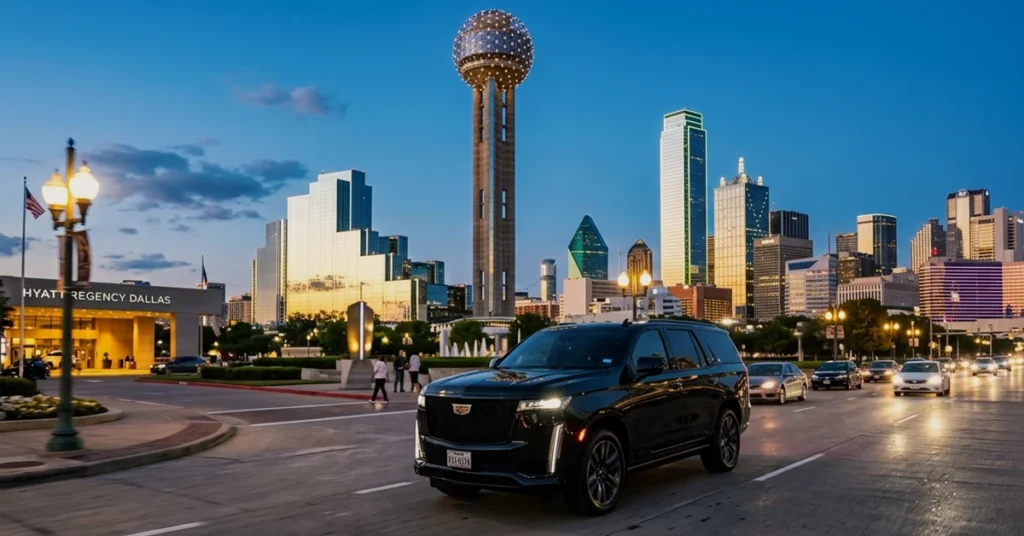
Every chauffeur on our team carries a current, appropriate license and goes through background screening before getting behind the wheel. Our fleet undergoes routine inspections, and we’re happy to provide documentation to any client who asks—no hesitation, no runaround.
Our experience with Dallas events—from Cowboys game days at AT&T Stadium to weddings across Highland Park and corporate transfers through DFW Airport—has shaped how we train drivers and maintain vehicles. We’ve seen firsthand what can go wrong with under-insured operators, and we built our processes specifically to avoid those pitfalls.
Real Scenarios Where Proper Insurance Made the Difference
- A minor fender-bender during a prom night pickup was handled entirely through insurance, with zero cost or delay to the students involved.
- A wedding party’s airport shuttle experienced a mechanical issue; because our fleet is regularly inspected, a backup vehicle was dispatched within minutes.
These aren’t hypothetical situations—they’re the type of scenarios proper licensing and insurance are designed to solve.
Red Flags That Signal an Unlicensed or Underinsured Company
Watch for these warning signs when researching any limo or black car service in Dallas:
- Reluctance to share a USDOT number or insurance certificate
- Pricing that seems unusually low compared to competitors
- No physical business address or verifiable phone number
- Reviews mentioning last-minute cancellations or no-shows
- Vehicles with expired inspection stickers or visible poor maintenance
- Payment requests only in cash with no written contract
If you notice even one of these, it’s worth pausing before booking.
Key Takeaways
- Licensing and insurance aren’t optional extras—they’re the foundation of a safe, legitimate limo service.
- Always verify a company’s USDOT number and Texas for-hire permit before booking.
- Confirm passenger liability insurance limits, not just basic auto coverage.
- Use the checklist and questions above to vet any provider in minutes.
- Limo Service Dallas maintains full licensing, commercial insurance, and driver vetting standards across every ride we provide.
- Red flags like cash-only payments or missing documentation should never be ignored.
Conclusion
Choosing a limo service is about more than comfort and style—it’s about safety, accountability, and peace of mind. Now that you know exactly what to check, you can confidently ask any company, “Is our limo service licensed and insured?” and know how to verify the answer yourself.
At Limo Service Dallas, we welcome those questions. Our licensing, insurance, and safety records are available anytime you’d like to review them. Ready to book a ride you can trust? Contact Limo Service Dallas today for a transparent quote and a chauffeur experience backed by real credentials.
Frequently Asked Questions
1. How do I check if a limo company is licensed in Texas?
You can verify a company’s USDOT number through the FMCSA’s SAFER database and request confirmation of their Texas for-hire permit directly from the provider.
2. What insurance should a limo service carry?
A legitimate limo service should carry commercial auto liability insurance, passenger liability coverage, and often uninsured/underinsured motorist protection, typically starting at $1.5 million for smaller passenger vehicles.
3. Is it legal to operate a limo service without insurance in Dallas?
No. Texas and federal regulations require commercial passenger carriers to maintain minimum liability insurance before legally operating for hire.
4. What happens if I’m in an accident with an uninsured limo service?
Without proper insurance, you may be responsible for your own medical bills and damages, since the company has no coverage to file a claim against.
5. Does Limo Service Dallas provide proof of insurance on request?
Yes. Limo Service Dallas provides documentation of licensing and insurance coverage to clients who request it before booking.
6. Are limo drivers required to have a special license?
Yes, drivers typically need a chauffeur’s license or a commercial driver’s license with a passenger endorsement, depending on the vehicle’s seating capacity.
7. How can I avoid unlicensed limo companies in Dallas?
Ask for a USDOT number, request proof of insurance, read recent customer reviews, and avoid providers that only accept cash with no written contract.
8. Why does passenger liability insurance matter more than basic auto insurance?
Passenger liability insurance specifically covers injuries to riders inside the vehicle, while basic auto insurance may only cover damage to other vehicles or property.
You can also check our social accounts.